Teaching young learners how to tell time is one of those foundational math skills that requires just the right mix of hands-on learning, visuals, repetition, and fun. While digital clocks are everywhere, analog clocks still play a vital role in developing a child’s number sense, spatial awareness, and understanding of time intervals.
🎁 Free Time Coloring Worksheets Sampler
Ready to make telling time fun and hands-on?
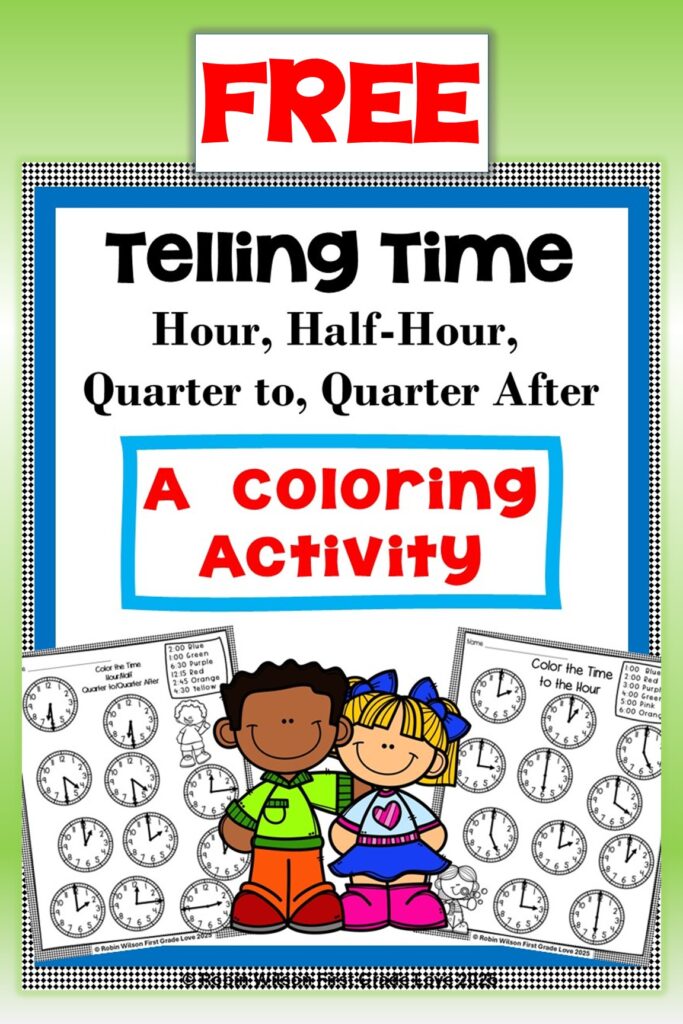
Grab two free color-by-time pages that help students master hour and half-hour clocks in an engaging way.
👉 Download Your Free Sample Pack
(Instant access — perfect for math centers or morning tubs!)
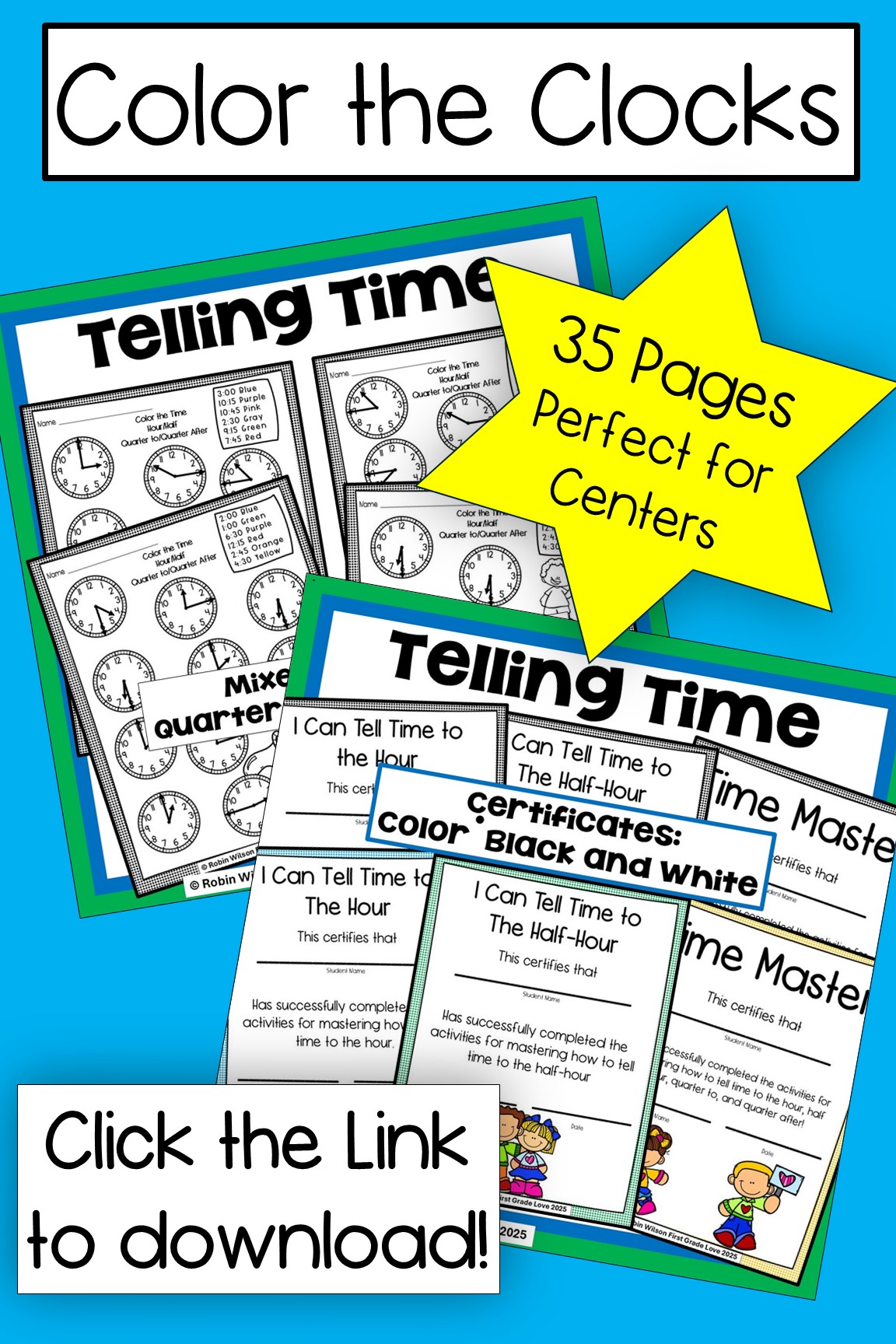
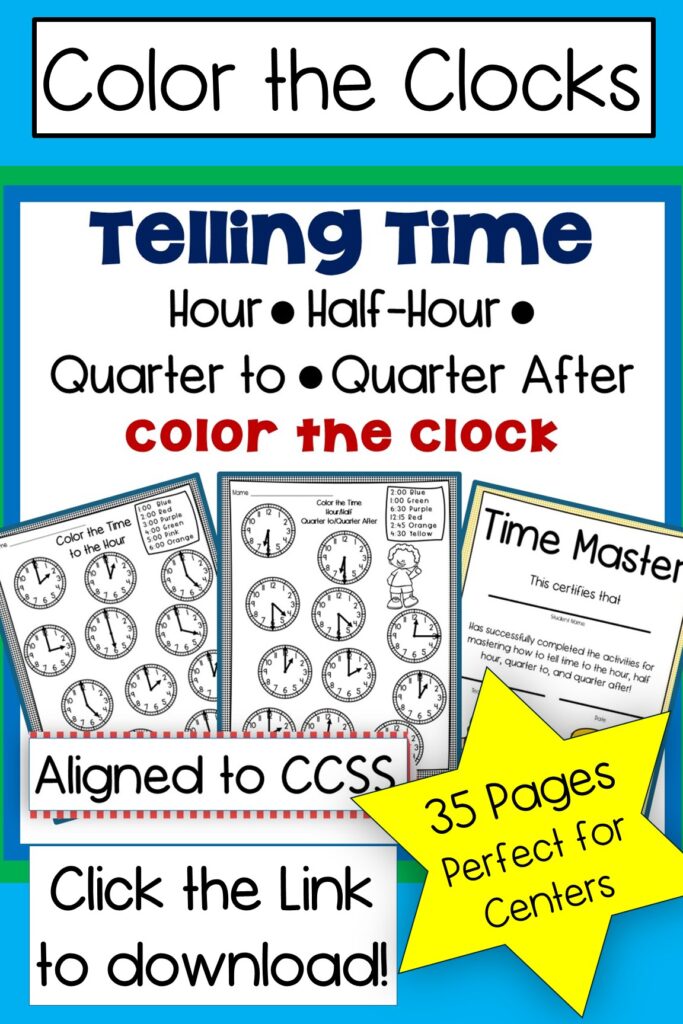
If your students enjoy the free sample, they’ll love the full set. The complete packet includes 35 color-by-time pages that cover hour, half-hour, quarter to, and quarter after. It’s perfect for centers, early finishers, or even a quiet Friday review.
I hope your class loves the free sample as much as mine did! When you’re ready, the complete set is waiting to make time practice even more enjoyable. Grab the Full Time Coloring Packet here, or click on the picture below.
Why Is Teaching Time So Challenging?
Before we jump into solutions, it helps to understand why telling time on an analog clock is difficult for many young learners:
- It requires dual-hand coordination (reading both the hour and minute hands simultaneously).
- Numbers represent different values depending on the hand (e.g., 3 could mean 3:00 or 15 minutes).
- It involves skip counting by fives and partitioning the clock face into quarters and halves.
- Many students are used to seeing digital time only, making analog unfamiliar.
Because of all this, teaching time needs to be systematic, visual, and highly interactive—and that’s exactly where the right tools can make all the difference.
The Key to Teaching Analog Time: Step-by-Step Strategy
So how do we help students become confident with clocks?
1. Start with a Real Clock
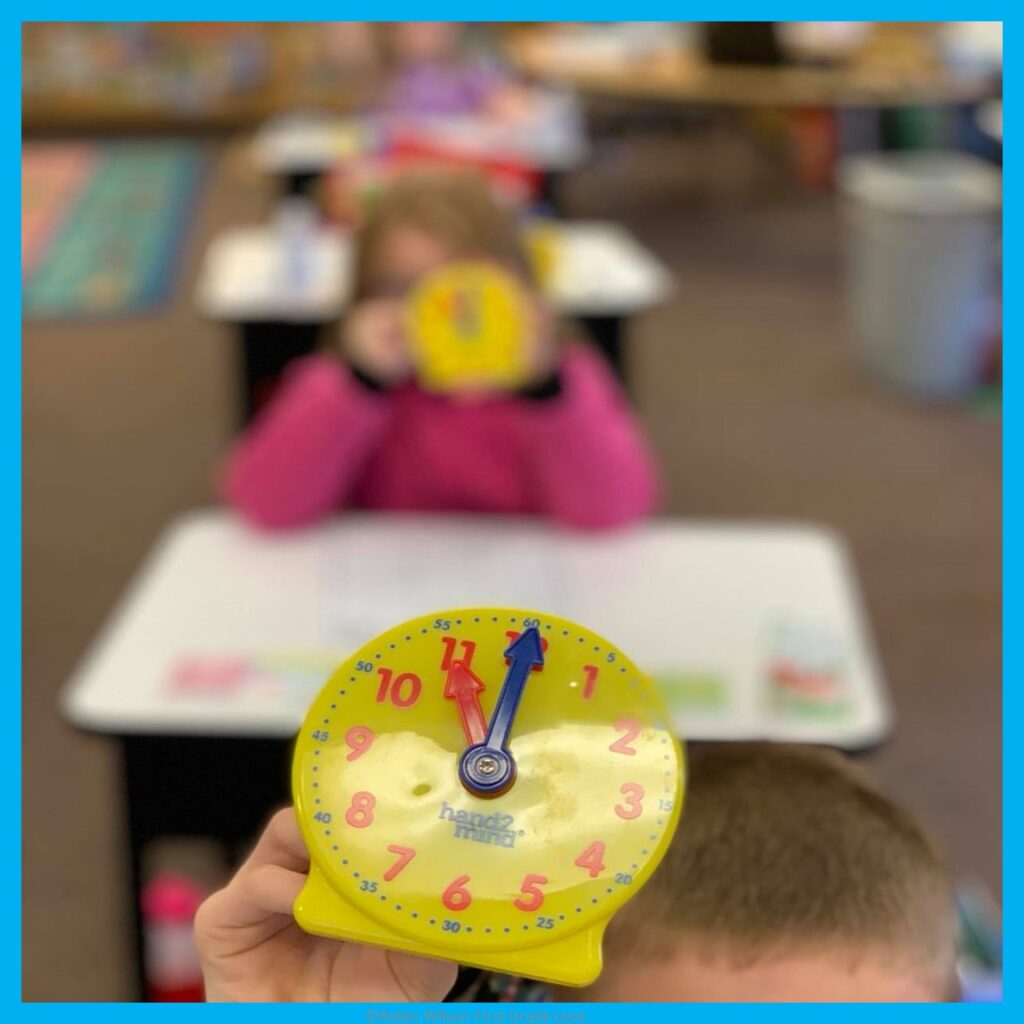
It may sound simple, but begin with a real classroom analog clock or use mini student clocks. Show how the hands move and how each number represents 5-minute intervals. Encourage students to “watch the clock” throughout the day and identify time markers like lunch, recess, or dismissal.
🔄 Transition Tip: Once your students are familiar with the basic structure, move into interactive activities to reinforce what they’ve learned.
2. Teach the Hour First
Focus initially on reading just the hour hand, especially on the hour. Anchor time to real events—“It’s 8:00, time for morning work,” “It’s 12:00, lunch time,” and so on. Use visuals like clock anchor charts to support this learning.
3. Introduce Half Hour, Quarter Past, and Quarter To
Once students understand hours, move to half hour, quarter to, and quarter past or after:
- Half Hour: The minute hand points to 6
- Quarter Past: Minute hand on 3
- Quarter To: Minute hand on 9
Use a clock with colored quarters or even sticky notes to help students visually chunk the clock.
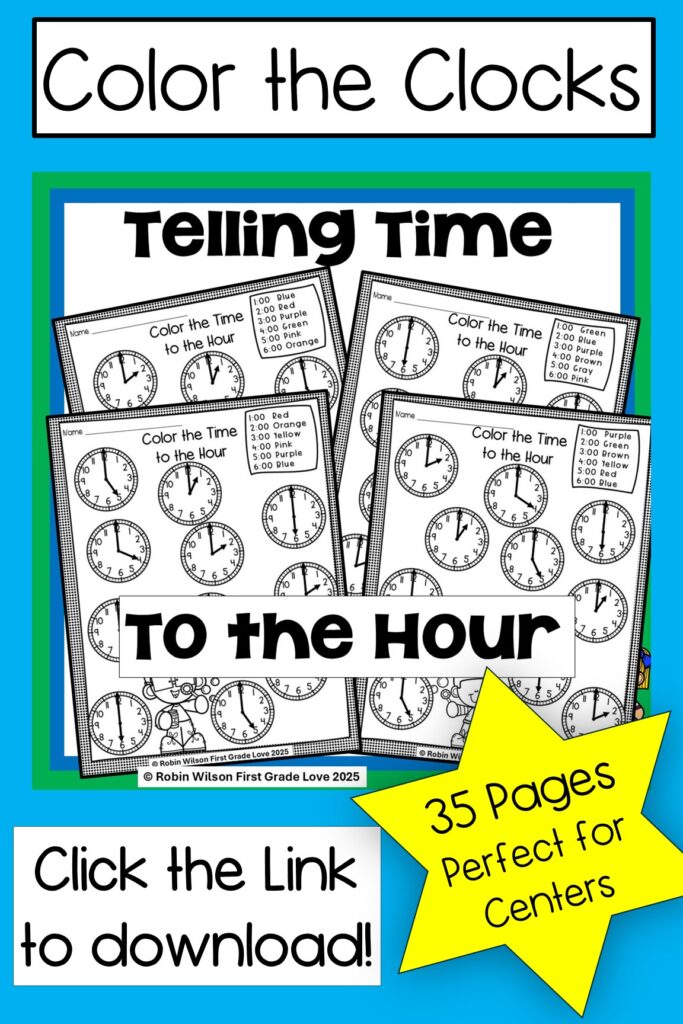
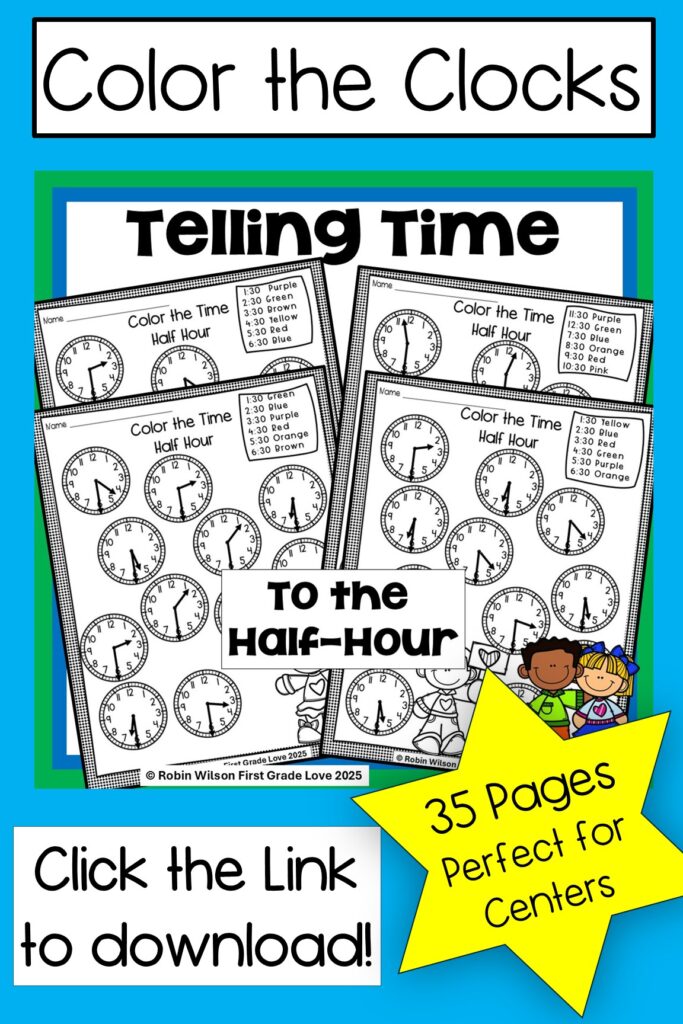
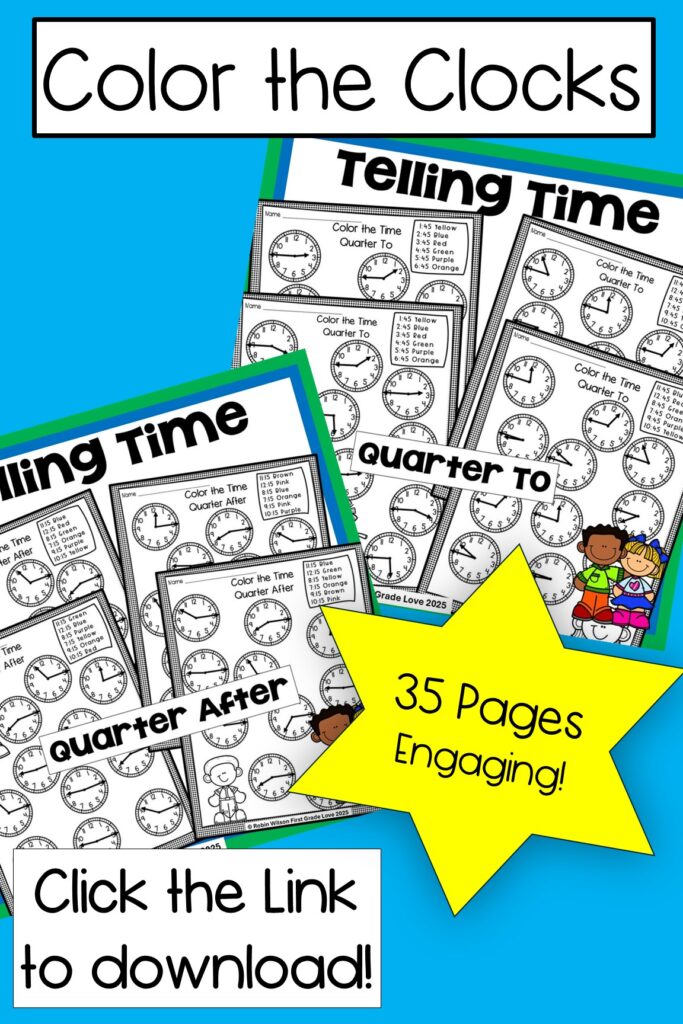
🌟 This is where many students struggle, and it’s also where my Time Coloring Worksheets can really shine.
Where Time Practice Meets Joy: Color-by-Time Worksheets
Let’s face it—most kids love to color. So why not combine time practice with art?
My Time Coloring Worksheets are specifically designed to:
- Provide repetitive practice in a fun, low-pressure format
- Reinforce time to the hour, half hour, quarter past, and quarter to
- Offer independent or center-based learning
- Give students a sense of accomplishment when they reveal a colorful image
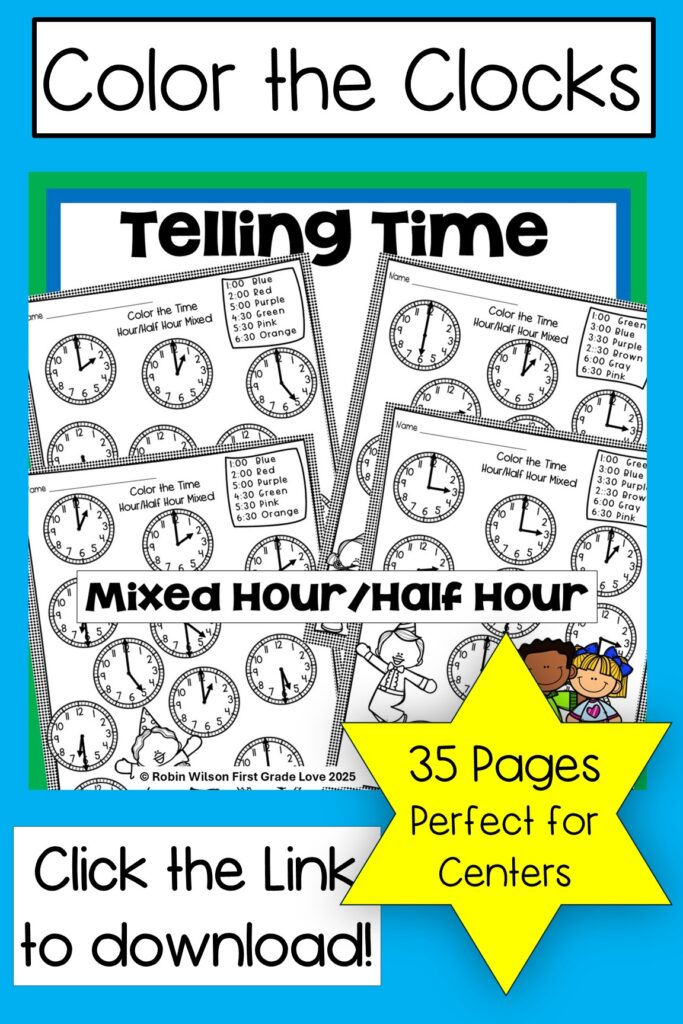
Each worksheet includes a color-by-code system where students solve clock problems, then color each section based on the correct answer.
✅ Here’s What’s Included:
- Worksheets for hour, half hour, quarter past, and quarter to
- Easy-to-read analog clocks for consistent practice
- Clear answer keys for quick grading or self-checking
- A certificate of mastery students can proudly take home
- Teacher directions, standards alignment, and a thank-you note
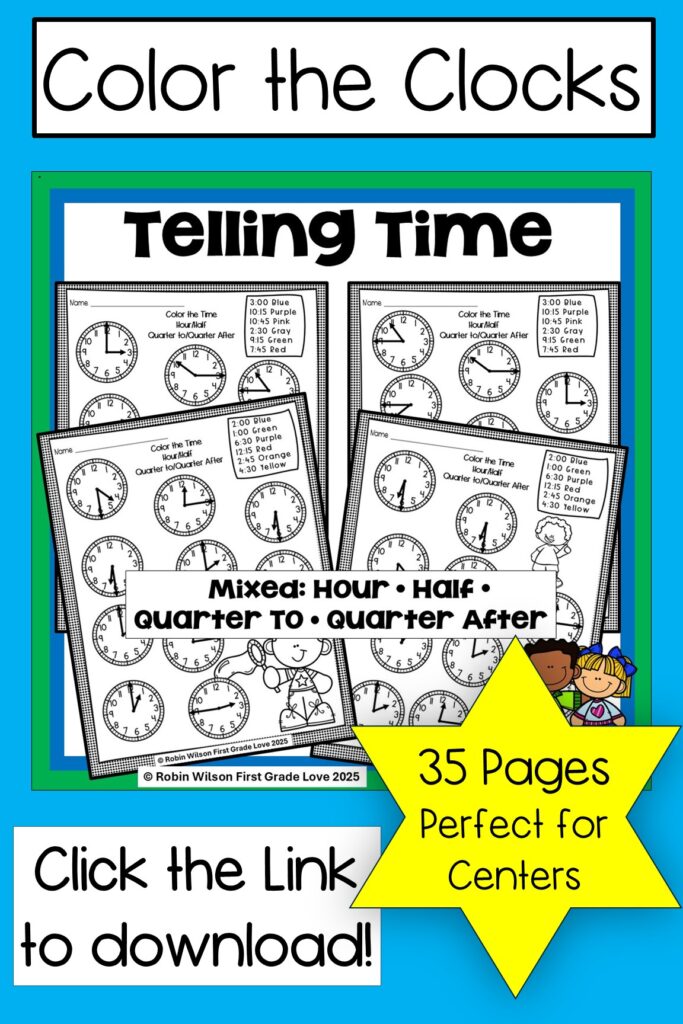

How Teachers Use These Worksheets in the Classroom
You can use the Time Coloring Worksheets in many different ways, depending on your instructional goals:
🔄 Math Centers
Place the worksheets in a math rotation during your time unit. Students can work independently or with partners while reinforcing skills.
🎨 Fun Friday or Early Finisher Task
Since these worksheets feel more like a coloring page than a test, they’re perfect for Fun Friday, Sub Plans, or a quiet choice after work is done.
🧠 Spiral Review
After your time unit is over, bring back one worksheet a week to keep skills fresh. It’s a simple way to boost retention.
🎯 Targeted Intervention
Use the worksheets with small groups who need more time (pun intended!) with analog clocks. They offer great data for informal progress checks.
Free Sample + Full Resource: Choose What Works for You
Because I believe every teacher should try a resource before they buy it, I’ve created a FREE sample of my Time Coloring Worksheets. It includes:
- 1 worksheet for time to the hour
- 1 worksheet for time to the half hour
- 1 student certificate
- Answer keys
You can grab the free sample below to test it out with your class:
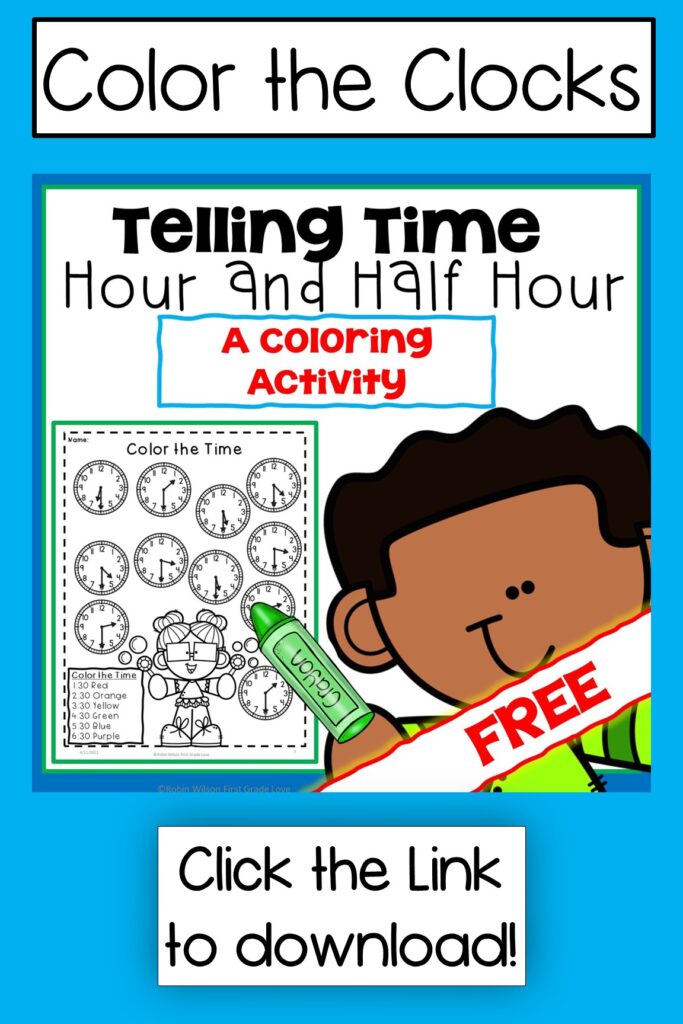
👉 Click here to download the FREE Time Coloring Sample!
Of course, if you’re ready to take it to the next level, the full product includes 35+ pages of time-telling fun. It’s the perfect resource to pair with any curriculum and can be used year after year.
👉 Click here to get the Full Time Coloring Worksheets Pack!
What Teachers Are Saying
“This is the first time my students were excited to work with clocks!”
“Perfect for independent work, and the pictures kept my students engaged the entire time.”
“I used these during centers and had kids asking if they could take another one home to finish!”
Tips to Maximize Learning with the Worksheets
To make the most out of the resource, here are a few simple ideas you can implement right away:
✂️ Pre-color the code key for visual learners
For some students, decoding a key while solving time problems might be too much. Help them succeed by modeling the color key first.
🗓 Integrate into calendar time
Reinforce analog time daily during your calendar or morning meeting. Then use the worksheet right afterward as a quick check-in.
💬 Add time-telling conversations
As students work, encourage them to say the time aloud. Talking through each clock reinforces both language skills and math thinking.
Final Thoughts: Why It Matters
Teaching time can feel overwhelming, but with the right support and resources, it becomes something your students actually enjoy.
When we turn learning into something visual, hands-on, and fun—like with these color-by-time pages—we unlock confidence. And with confidence comes mastery.
Whether you’re just getting started or you’ve taught time many times before, these Time Coloring Worksheets are ready to support your learners.
✅ Start with the free sample, and if your students love it, the full pack is just a click away.
Recap + Quick Links
Here’s a quick summary of what we covered:
| Section | What You’ll Find |
|---|---|
| Why Time Is Hard | Dual-hand coordination, abstract concepts |
| How to Teach Analog | Step-by-step ideas from hours to quarters |
| How Worksheets Help | Engagement + mastery through color |
| Free Sample | Try before you buy |
| Full Product | 35+ pages of fun and fluency |
| How to Use | Centers, spiral review, intervention |
| Bonus Tips | Dry-erase, modeling, verbal practice |
➡️ Download Free Sample Worksheets
➡️ Get the Full Time Coloring Pack
Let’s make time-telling something your students won’t forget.
